
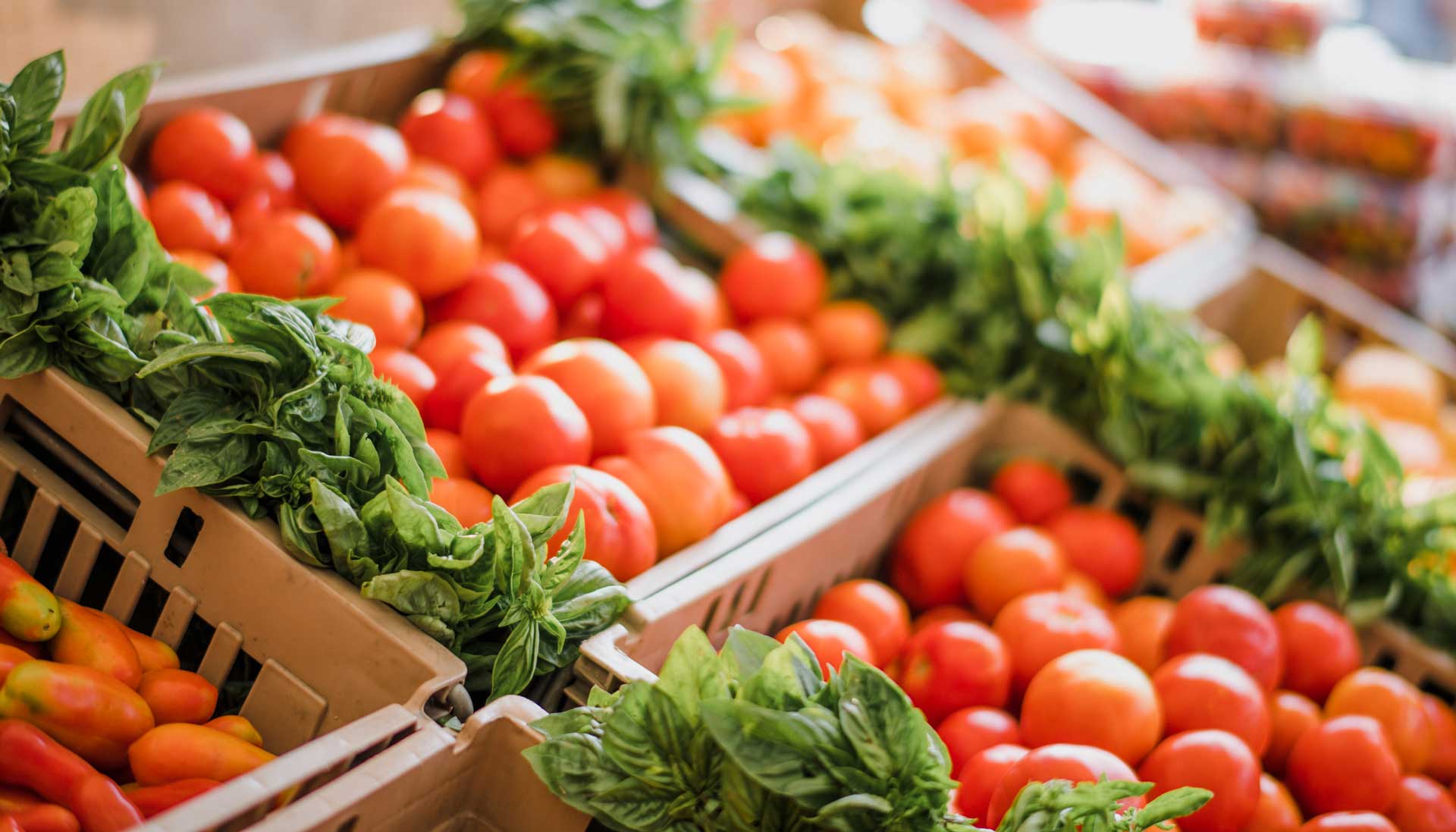
One of the biggest advantages of buying from local farms is simple but powerful: your food lasts longer. When produce and other farm products travel only a few miles—rather than thousands—the difference in freshness, flavor, and shelf life is dramatic. Local food often reaches your kitchen within 24–72 hours of harvest, compared to 7–14 days for most supermarket produce. This one factor alone explains why locally grown items stay fresh longer and reduce waste for families.
Most grocery store produce moves through a long supply chain: harvesting, cooling, sorting, packing, shipping to a regional hub, shipping again to individual stores, backroom storage, and finally being placed on the shelf. During this time, natural respiration causes fruits and vegetables to lose moisture and nutrients. By the time the item is purchased, it has already lived through a significant portion of its shelf life. Studies from the University of California show that many vegetables lose up to 50% of their nutrients within a week of harvest when stored in cold-chain systems. For local farms, that entire week does not exist—your produce travels from field to customer with almost no delay.
Local farms also pick food at true ripeness, rather than harvesting early for long-distance shipping. A tomato or strawberry harvested at peak ripeness has better texture, flavor, and structure, meaning it naturally lasts longer in your refrigerator. Industrial farms pick firm and underripe produce to withstand cross-country shipping, but this comes at a cost—less taste and a shorter storage life once it finally ripens.
Another reason local food lasts longer is minimal handling. Every hand, bin, truck, and warehouse adds stress to produce. Micro-bruising (invisible damage from stacking, vibration, and transport) leads to faster spoilage. Local food often goes through one or two steps at most: picked → packed → delivered. Reduced handling preserves integrity and slows decay.
Finally, local producers frequently use small-batch harvesting and post-harvest care, meaning items are cooled, washed, or packaged with greater attention. They’re feeding neighbors—not mass markets—so the emphasis is on quality, not volume.
When food spends less time traveling and more time being enjoyed, families get fresher meals, less food waste, and better overall nutrition. That’s the power of local food—and one of the core reasons Table1125 brings communities and farms together.
⸻
References
• U.S. Department of Agriculture (USDA), “Food Loss and Waste FAQs,” USDA.gov
• University of California, Davis. “Postharvest Technology Center: Nutrient Loss After Harvest.”
• Iowa State University Extension, “Food Miles: How Far Your Food Travels.”
• Leopold Center for Sustainable Agriculture. “Food, Fuel and Freeways: An Iowa Perspective on Food Miles and CO₂ Emissions.”
• U.S. Food and Drug Administration (FDA), “Fresh Produce Handling and Storage Guidelines.”
⸻
0 Comments