
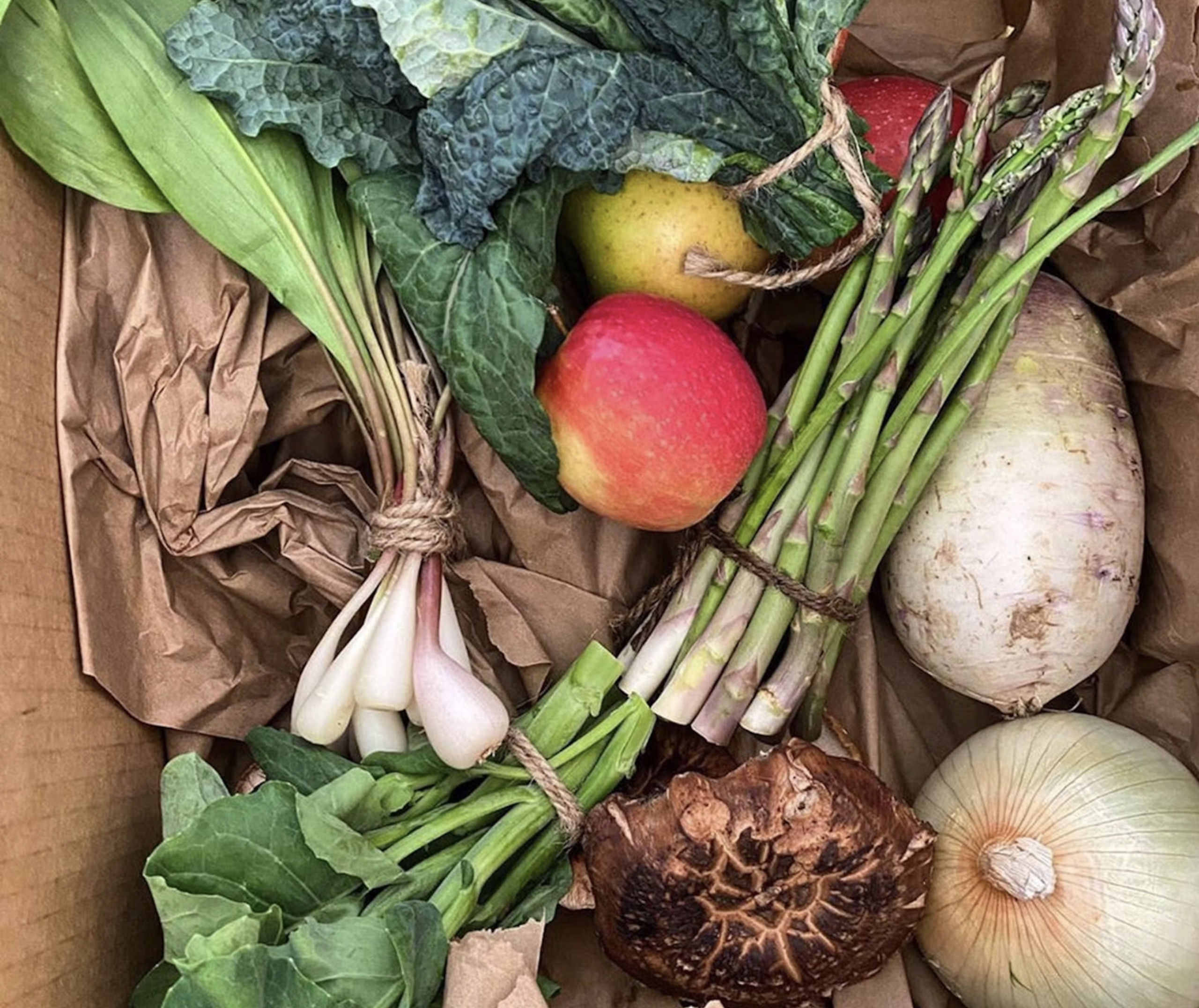
Seasonal eating—choosing foods that are naturally harvested at the time of year they grow best—is one of the simplest ways families can save money while improving the quality of their meals. When produce is “in season,” it grows more abundantly, requires fewer resources, and travels shorter distances, all of which translate into lower costs for both farmers and customers. By aligning your shopping habits with the natural rhythm of local agriculture, you tap into a food system that is fresher, more affordable, and better for your budget. One of the biggest reasons seasonal eating saves money is the principle of supply and demand. When a crop is at its peak harvest, farmers produce it in higher volume, and prices naturally drop. The USDA’s Economic Research Service has repeatedly shown that produce prices fall noticeably during peak season because harvesting, handling, and transportation costs are significantly lower. In contrast, out-of-season produce must be imported from other states or even other countries, which increases labor, refrigeration, and fuel costs—costs that are passed directly to the consumer. Seasonal foods also have lower production costs. During their natural growing season, crops require less artificial intervention—fewer heated greenhouses, reduced reliance on long-distance shipping, and less climate-controlled storage. According to studies from the University of Kentucky and Washington State University Extension, foods grown in their proper season require fewer inputs (energy, fertilizers, water) and therefore are cheaper to bring to market. Another way seasonal eating saves families money is through reduced spoilage. In-season produce tends to be fresher and more robust because it’s harvested at peak ripeness. Fresher foods last longer in the refrigerator, reducing how much gets thrown away. The USDA estimates that the average American household wastes over $1,500 worth of food per year, much of it due to premature spoilage. Seasonal items spend less time traveling and more time staying fresh. Finally, seasonal eating allows families to plan meals around bulk opportunities. When produce is abundant, farmers often offer specials, larger quantities, or “seconds” for canning, freezing, and preserving. This tradition—rooted in community food systems—helps households stretch their food dollars far beyond the harvest months. Eating with the seasons isn’t just healthier; it’s economically smart. Families save money, reduce food waste, and support local farmers, all while enjoying fresher, better-tasting meals. References USDA Economic Research Service (ERS). “Fruit and Vegetable Prices.” USDA Food Waste FAQs, USDA.gov Washington State University Extension. “Seasonal Eating and Cost Savings.” University of Kentucky Cooperative Extension. “Benefits of Eating Seasonally.” Iowa State University Extension. “Local and Seasonal Food Advantages.”
0 Comments